Health
14 Apr 26
Why ignoring your pet's odor is a major health risk
Most pet owners believe that bad breath is normal in dogs and cats, but it is a red flag for underlying health problems. What may appear to be a minor odor could actually indicate an infection, gum disease, or organ problems. Early signs should be observed and proper dental hygiene should be maintained to avoid major complications and expensive treatments in the future.
Oral health is not a priority in the daily routine of pet care compared to feeding or grooming. Dental hygiene does not stay inside the mouth, but over time can spread to the heart, liver, and kidneys. Having an indication of the danger of bad breath will allow you to take the necessary measures in time and protect the overall health of your pet.
What causes my pet's breath to smell bad?
Pets also suffer from bad breath (halitosis), which is usually caused by a buildup of bacteria in the mouth. Food particles that are left on the teeth combine with saliva and bacteria to form plaque. Over time, tartar hardens and results in gum inflammation and infection.
Other possible causes are:
Periodontitis (or gingivitis) gum disease in dogs.
Tooth decay or abscesses.
Unhealthy food with bad taste or poor quality food.
Certain health problems (kidney or liver disease)
Why bad breath should not be underestimated.
Other possible causes are:
Periodontitis (or gingivitis) gum disease in dogs.
Tooth decay or abscesses.
Unhealthy food with bad taste or poor quality food.
Certain health problems (kidney or liver disease)
Why bad breath should not be underestimated.
Early signs of gum disease.
The first sign of gum disease is usually bad breath. If left untreated, it can lead to bleeding gums, pain, and tooth loss.
2. Bacterial infections can be transmitted.
Oral bacteria do not live in the mouth. They are able to enter the bloodstream and affect vital organs.
Health risks include:
Heart disease
Liver infections
Kidney damage
3. Pain and suffering for your pet.
Animals do not suffer. However, any problems with their teeth can make them unable to eat and can reduce their quality of life.
Signs to watch for:
Carelessness
Avoiding food
Making hands in mouth
4. Expensive Treatment Later
By ignoring the symptoms early, you will have to resort to more complex methods to treat your teeth, including tooth extraction or surgery, which is expensive as well as painful for your pet.
Essential aspects of proper oral hygiene.
1. Regular brushing
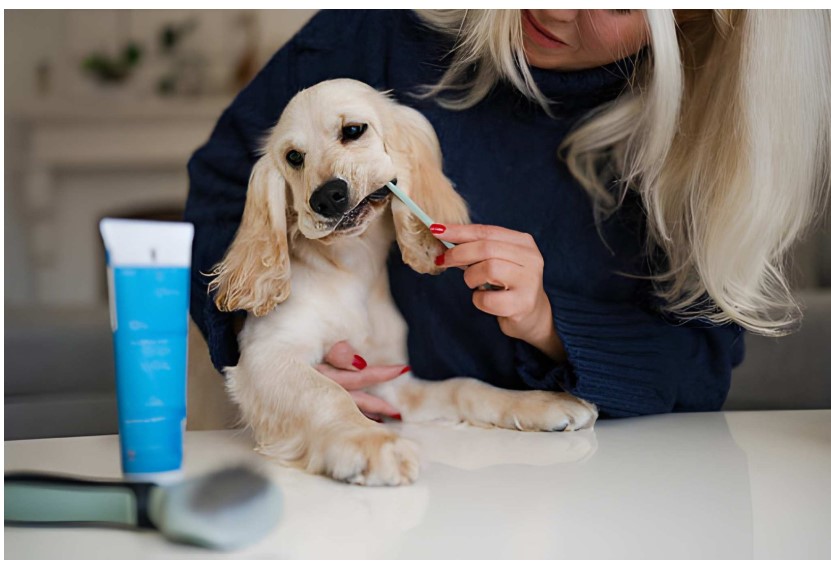
The best way to remove plaque is to brush your pet's teeth. Use a toothpaste that is safe for pets and a soft brush.
2. Dental chews and toys
These help reduce plaque buildup and maintain clean teeth that also satisfy the chewing instinct.
3. Routine Check-ups
Professional dental check-ups can be used to identify problems in the early stages before they get out of hand.
4. Balanced Diet
Quality food promotes oral health and reduces plaque formation, unlike low-quality food.
Mistakes that pet owners make
Assuming that bad breath is normal
Skipping regular brushing
Using human toothpaste (which can be harmful)
Denying early signs such as a slight odor or redness
Best Practices Healthy Teeth
Brush your pet’s teeth at least 2-3 times a week
Provide dental treats in moderation
Check the condition of the breath and mouth regularly
Arrange for annual dental exams
Real-World Insight
Most of the time, veterinarians report that pets with untreated dental problems develop serious health problems after a few years. In contrast, pets that are regularly cared for in terms of oral care live longer, healthier lives with fewer medical problems.
Conclusion
Pet odor isn't just a pet problem; it's a red flag that shouldn't be ignored. An unhealthy mouth can be devastating, whether it's gum disease or bad breath. Good dental hygiene, which comes from taking your pet to the vet, feeding him well, and taking care of him, will keep your pet healthy and happy.