Health
12 Apr 26
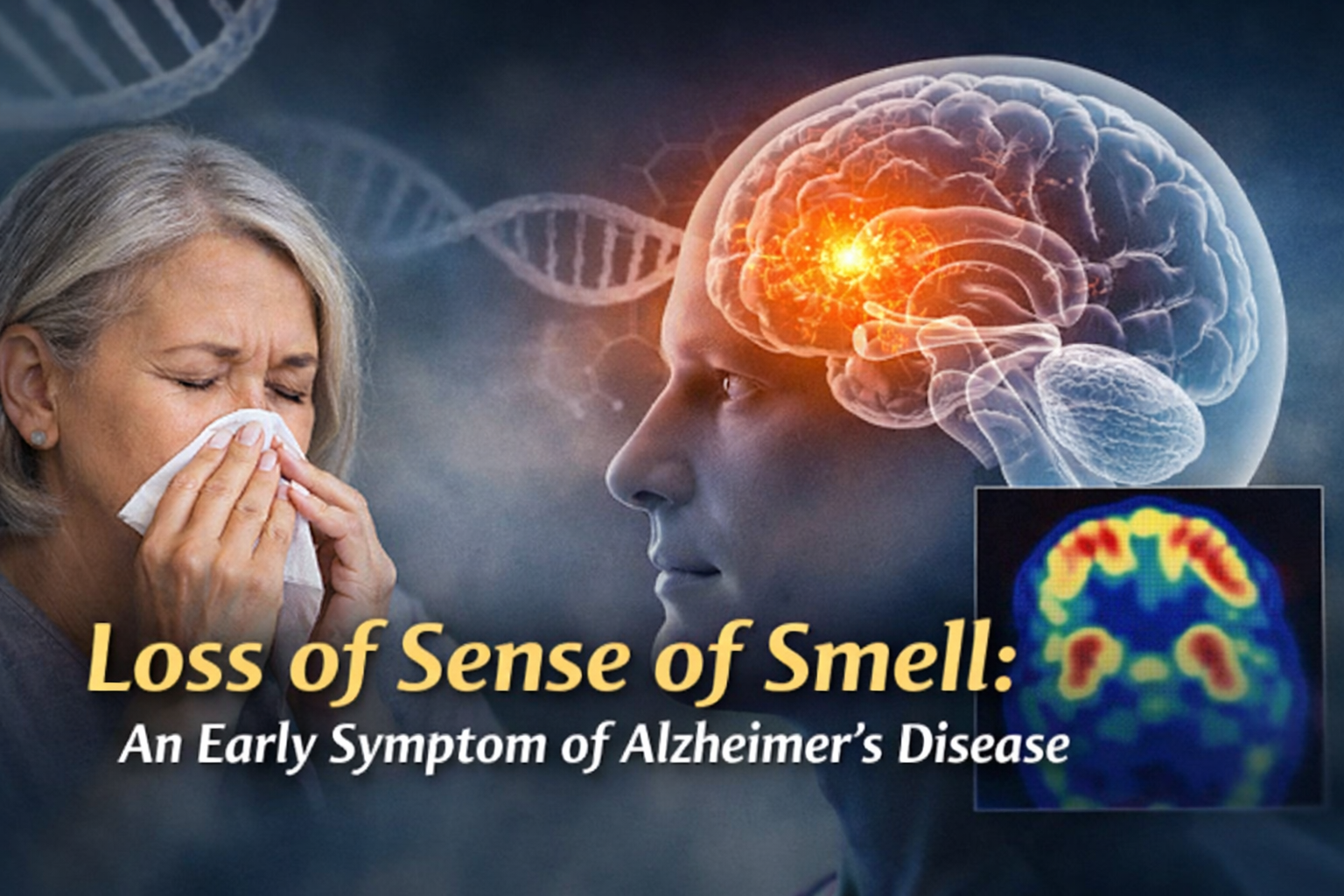
Loss of Sense of Smell: An Early Symptom of Alzheimer’s Disease
What Disease Can a Loss of Sense of Smell Be a Symptom Of?
A recent study has found that a loss of the sense of smell may be one of the earliest and most important symptoms of Alzheimer's disease, and surprisingly, it may appear even before obvious memory problems.
New Research on Smell Loss and Brain Health
New research by scientists from the DZNE and Ludwig-Maximilians University Munich has shed light on why this happens.
According to this study, the brain's immune system plays a key role in this process, but the problem is that it sometimes mistakenly attacks the very nerve fibers that are essential for the sense of smell.
Study Findings Published in Nature Communications
The study, published in Nature Communications, includes evidence from both mice and humans, such as brain tissue analysis and PET scanning. The findings could not only improve early diagnosis of the disease but also open new doors for timely treatment.
Role of Brain Immune Cells
According to researchers, smell problems arise when immune cells in the brain, called 'microglia', begin to destroy connections between two key parts: the olfactory bulb and the locus ceruleus.
The olfactory bulb, located in the forebrain, processes signals from smell receptors in the nose, while the locus ceruleus, located in the brainstem, helps control this process through long nerve fibers.
Key Causes of Smell Loss
Respiratory Infections
COVID-19, influenza, and the common cold are the most frequent causes of temporary smell loss, often causing inflammation in the nose that prevents odors from reaching receptors.
Chronic Sinus and Nasal Issues
Chronic sinusitis, nasal polyps, and chronic allergies can also lead to a reduced sense of smell.
Neurological Diseases
Early-stage neurodegenerative diseases, including Alzheimer's disease and Parkinson's disease, can cause loss of smell, sometimes even before motor symptoms appear.
Head and Brain Injuries
Traumatic brain injury, brain tumors, or surgery can also affect the sense of smell.